

Your Metabolism, Your Muscles, and Your Pain
- Courtney Bargar, LMT
- Mar 6
- 5 min read

A Holistic Health Collective LLC Blog Post by Courtney Bargar
Most people don’t realize their metabolic health can decline for years before symptoms become obvious. Low energy, stubborn weight gain, sugar and carb cravings, poor sleep, brain fog, and irritability are often early warning signs—not just “bad days.”
If you’ve noticed these patterns, your metabolism may already be quietly shifting well before you feel “sick.” And I know this intimately—because I’ve lived it.
Twenty‑two years ago, if I’d had access to the kind of metabolic insight we have today, I believe I could have prevented much of what I eventually experienced: prediabetes, insulin resistance, and hormonal imbalances that drove unexplained weight gain, fatigue, and years of frustration and ridicule. Instead, I ran through the usual trial‑and‑error cycle—more exercise, “healthier” foods, restrictive diets—without understanding what my body was actually doing on a metabolic level.

Looking back, many of my symptoms were classic markers of early metabolic dysfunction:
A slow, creeping weight gain despite eating “clean.”
Intense afternoon cravings for sugar and carbs.
Persistent low energy, even after a full night’s sleep.
Mood swings and irritability that felt like “me,” but were really my body signaling imbalance.
It wasn’t until I began studying metabolic and hormone health more deeply—and seeing those same patterns in clients—that I realized how invisible and gradual this process can be.

How Metabolic Decline Affects Your Muscles
As your metabolism slows, your muscles are often one of the first systems to feel the impact. This is especially true if you’re already dealing with chronic conditions, autoimmunity, or neuroconnective issues, where your body is already working harder to stay stable.
Poor fuel delivery When your body becomes less efficient at processing nutrients, your muscles don’t get the amino acids, glucose, and oxygen they need for repair and growth. Energy production inside the muscle cell (via mitochondria) becomes less efficient, so you feel fatigued faster, even with mild activity. Over time, this contributes to a decline in strength and endurance.
Loss of lean mass Research shows that even moderate reductions in muscle mass can lower your resting metabolic rate by 5–10% per decade if you’re inactive. That means your body burns fewer calories at rest, making it easier to gain fat even if your food intake hasn’t changed significantly. Strength training and adequate protein can slow this, but only if your metabolism is supported.
Higher fat infiltration into muscle Studies of aging and metabolic disease show that fat can actually infiltrate muscle tissue (a process called “intramyocellular fat”). This weakens muscle fibers, makes them less responsive to insulin, and drives further metabolic dysfunction. In other words, your muscles become less efficient at both burning fuel and stabilizing blood sugar, which creates a self‑reinforcing cycle.
The consequence? You burn fewer calories at rest, store fat more easily, and feel weaker and more exhausted from everyday tasks—carrying groceries, walking up stairs, or even standing for longer periods.
How This Links to Pain, Recovery, and Inflammation
Your muscles are your body’s primary shock absorbers for joints and your main regulators of movement and posture. When they’re under‑nourished and under‑recovered, everything else feels it.
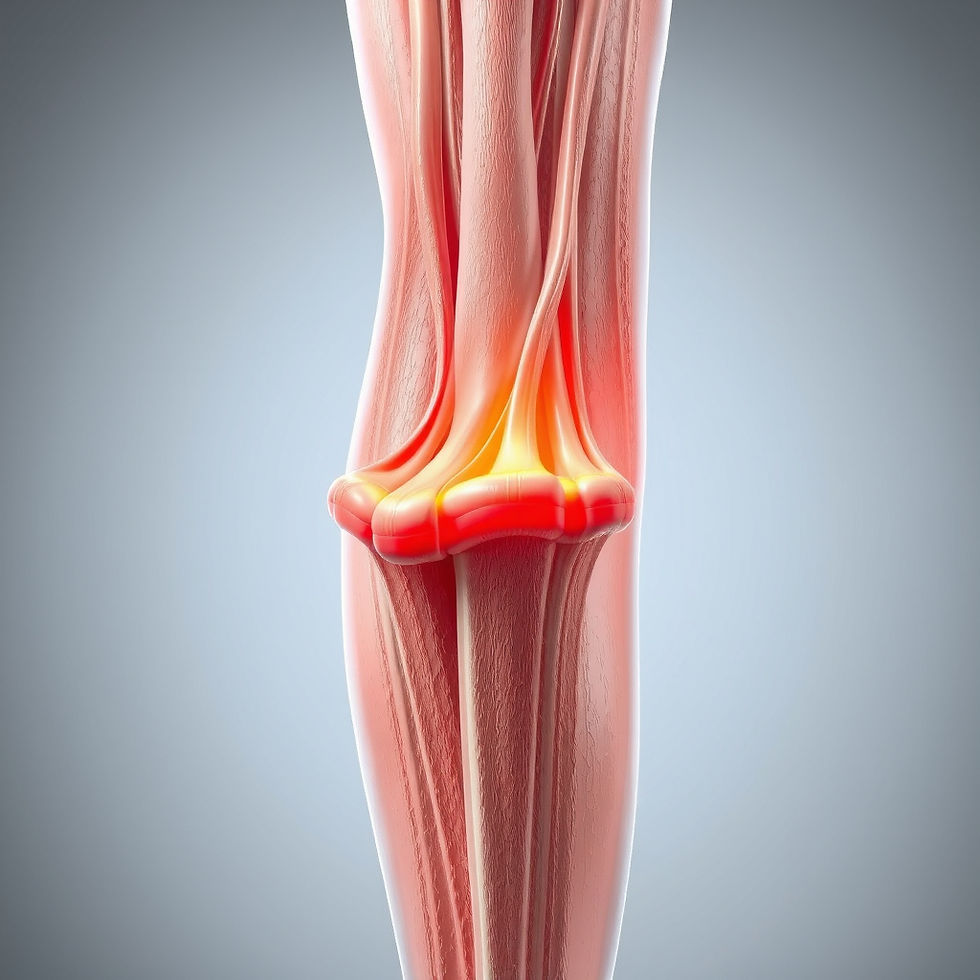
Chronic pain and tension When muscles don’t recover well, micro‑tears, trigger points, and fascial tension can build up. This leads to chronic tightness, stiffness, and that “tight, sore” feeling after activities that used to feel easy. For clients with hypermobility, chronic pain, or fibromyalgia, this metabolic “lag” can make their baseline discomfort feel more intense and harder to manage.
Slower recovery after injury or activity Low muscle resilience and poor blood sugar control extend healing time because repair processes become less efficient. Sprains, strains, post‑surgical rehab, and flare‑ups can last longer and feel more severe. The “good‑day, bad‑day” cycle becomes more pronounced, and your body may feel like it’s constantly defending itself instead of healing.
Increased systemic inflammation When metabolism is off—especially with blood sugar swings, insulin resistance, and high‑glycemic diets—your body produces more inflammatory markers like IL‑6, CRP, and TNF‑α. This low‑grade, chronic inflammation is linked to joint pain, arthritis flare‑ups, autoimmune‑like symptoms, and conditions such as fibromyalgia and chronic pain syndromes.
In short, inadequate metabolic support for your muscles can mean more pain, slower recovery, and more “flare‑day” energy crashes than your body ever needs to have.
Spotting Hidden Metabolic Problems Early
That’s why I’ve started using Theia Health’s AI Nutrition for myself and in my practice at Holistic Health Collective LLC.
Twenty‑two years ago, I had no way to see what my meals were actually doing to my blood sugar and hormones—only the delayed, frustrating outcomes. Today, that’s changed. With a single photo of a meal, I get precise, meal‑level data that helps me spot early metabolic problems before they turn into persistent pain, fatigue, or inflammation. This technology could have changed my trajectory—and I want it to help change yours, too.
One photo gives us:
A full breakdown of calories, macros, micronutrients, and fiber so you know exactly what was eaten—not just “healthy” or “unhealthy.”
Precise per‑serving and per‑container nutrient totals, with validated portion‑size estimates presented in clinical units that I can plug directly into your care plan.
Ingredient summaries that flag hidden drivers: sauces, oils, added sugars, and other ingredients that contribute to excess calories, blood sugar spikes, and inflammation.
Meal‑level metabolic context so I can identify patterns that are affecting your energy, weight, muscle recovery, pain, and glucose control.
For example, a client might think they’re eating a “clean” meal, but the photo data reveals very high refined carbs and low-quality fats that spike blood sugar and drive inflammation. Once we see that pattern, we can make actual, measurable changes.

From Guessing to Precision Care
With this clarity, recommendations move from vague “eat better and move more” statements to targeted, personalized guidance:
Adjusted portions that match your metabolic capacity and activity level.
Specific macronutrient targets that support muscle repair, hormone balance, and mitochondrial health.
Micronutrient corrections—such as better magnesium, omega‑3s, or B‑vitamin timing—that calm inflammation and support your nervous system.
Clear follow‑up strategies so you know exactly what to do next, including tracking tools and simple lifestyle tweaks.
When we have precise meal‑level numbers and a clear picture of your metabolic patterns, we can often prevent or reverse metabolic decline early—protecting your muscles, improving recovery, and reducing pain and inflammation instead of waiting for things to get worse.
Ready to Learn More?
If you’d like to understand how your own metabolism is affecting your muscles, pain, and healing, I invite you to ask me about coaching sessions at Holistic Health Collective LLC. Together, we can integrate Theia Health’s AI Nutrition into your personalized plan so you can finally feel stronger, lighter, and more in control—not just “less tired.”
Warmly,
Courtney Bargar, LMT
Holistic Health Collective LLC

Comments